Technical Specifications
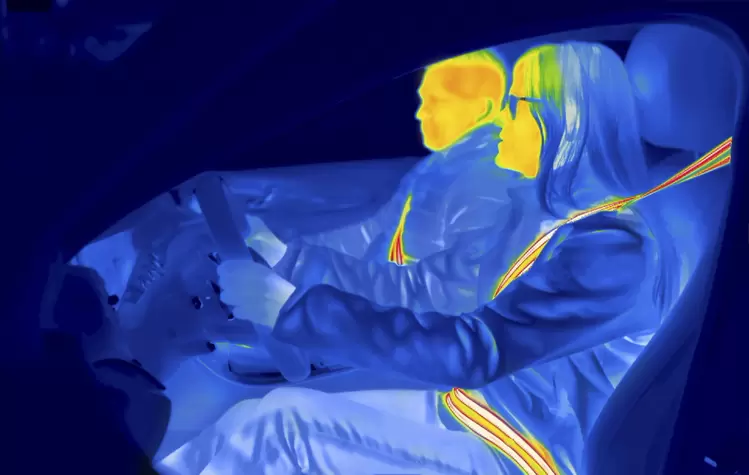
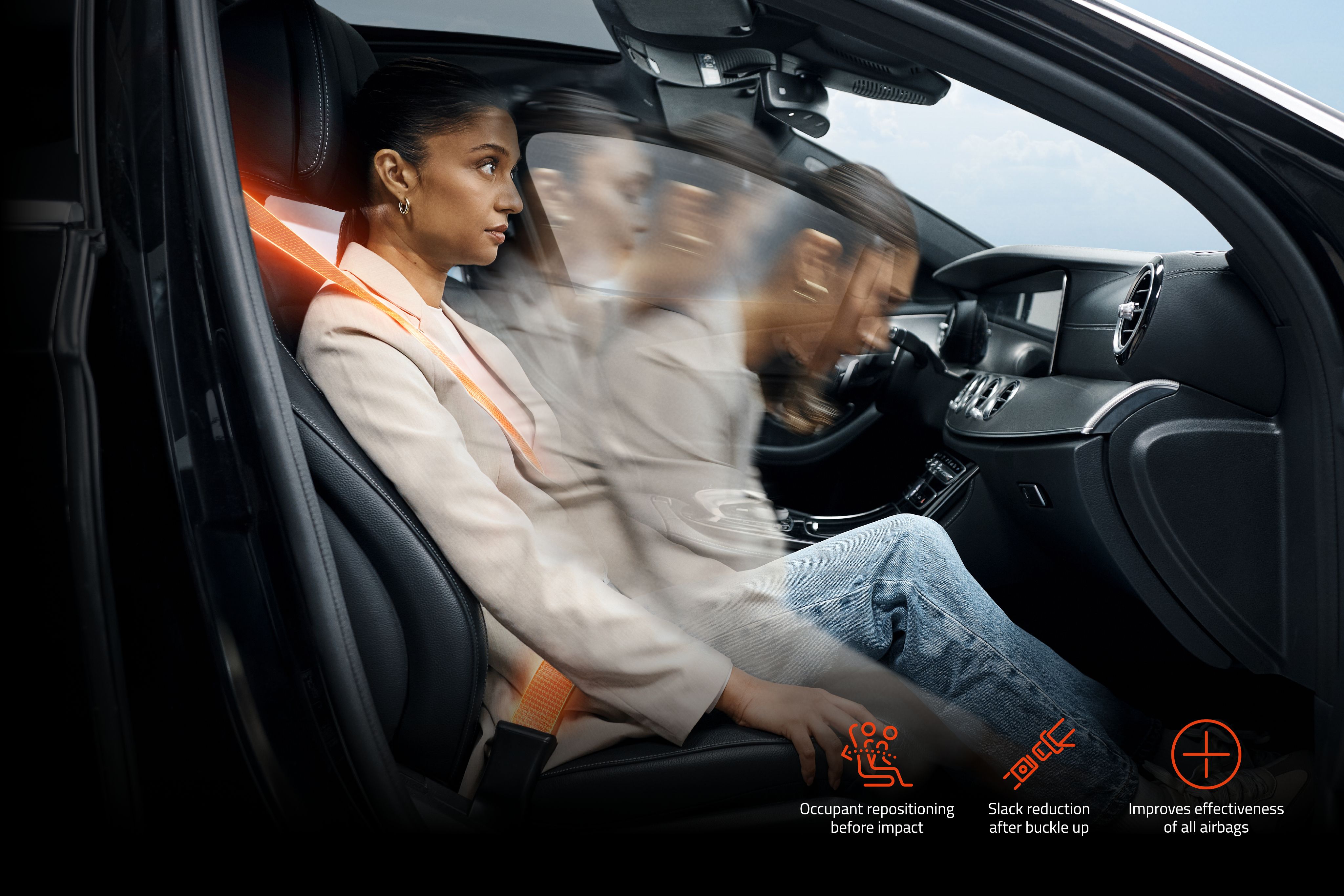
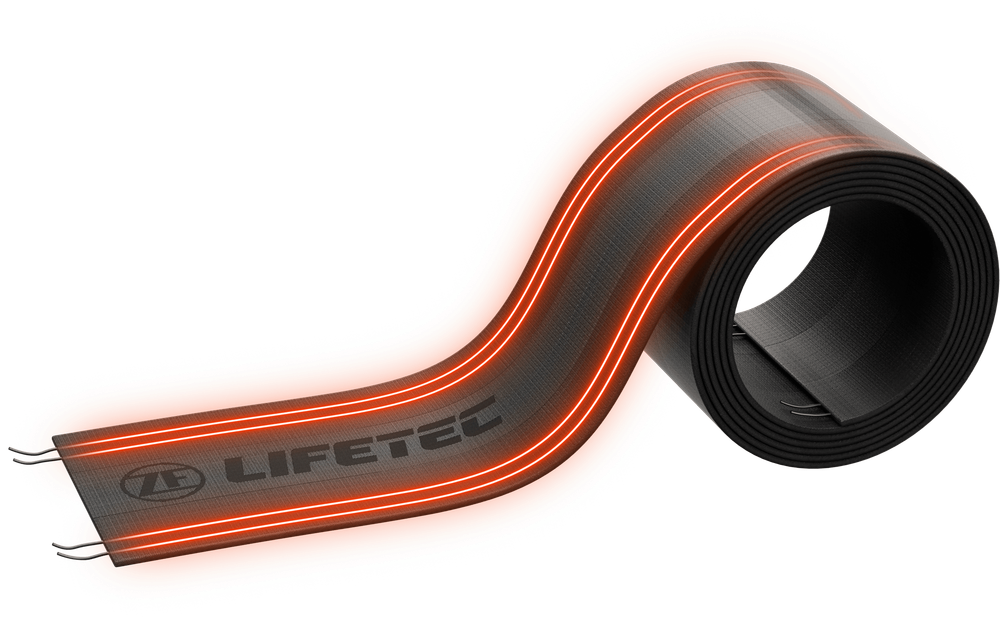
Four finely woven heating wires run the entire length of the belt and warm the pelvic and chest areas—without drafts or fan noise. A patented algorithm developed by ZF LIFETEC calculates the optimal heating output based on a thermal model. It takes into account core body temperature, skin temperature, exterior and interior temperatures, solar radiation, and data from the automatic climate control system. Control is fully automatic; no manual adjustment is necessary. Unlike the first generation (2023), the Heat Belt 2.0 does not require a temperature sensor in the belt—the vehicle’s HVAC data is sufficient.
More Range
Up to 6% more range in an electric vehicle
Quick Heat
From −5 °C to 40 °C in less than 2 minutes
Vehicle Heating System with Pressure Relief
Up to 1,000 W during the warm-up phase, approximately 200 W for trips lasting more than an hour
Heat Belt 2.0 – heated seat belt for more range in electric vehicles
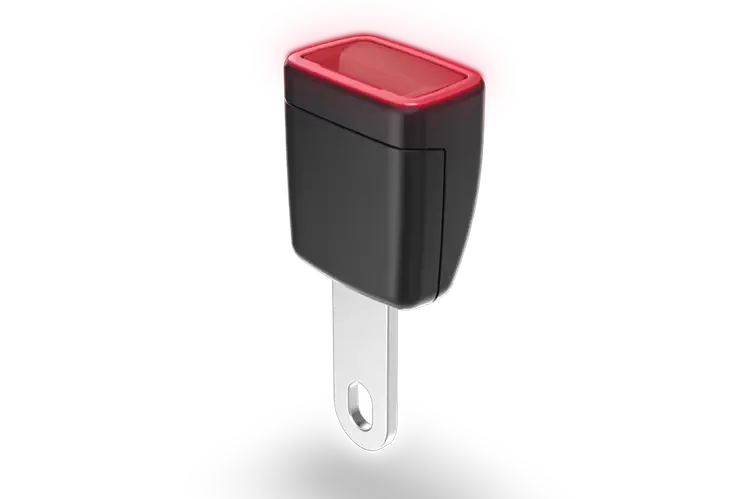
The Heat Belt 2.0 is a heated seat belt from ZF LIFETEC with an integrated surface heating system. It delivers warmth directly to the occupant's pelvis and chest area, allowing the cabin temperature to be lowered without any loss of comfort. In electric vehicles, this reduces the energy required for climate control and increases winter range. The Heat Belt 2.0 reduces the load on the vehicle heating by up to 1,000 watts during the heat-up phase, lowers the required cabin temperature by around 3 °C and thereby increases range by up to 6%; on drives longer than one hour, around 200 watts of savings remain.
- Surface heating with four finely woven heating wires, belt thickness 1.3 mm
- Heating zones in the pelvis and chest area – without drafts or fan noise
- Fully automatic control via a patented algorithm, no temperature sensor in the belt
- Can be integrated into all vehicle segments, from small cars to the luxury class
- Complements seat and steering wheel heating
- Optional: preheating on approach via proximity sensor
FAQ
What is the range of the Heat Belt 2.0?

Up to 6% more range during the warm-up phase; on trips lasting more than an hour, a savings of about 200 watts.
How quickly does the belt heat up?
In which vehicles can it be integrated?
How is it different from the first generation?

Do you have any questions about our products, technical details or spare parts? Then get in touch with us using this contact form! Our experts will get back to you shortly.
Product family seat belts
Discover more solutions from this category